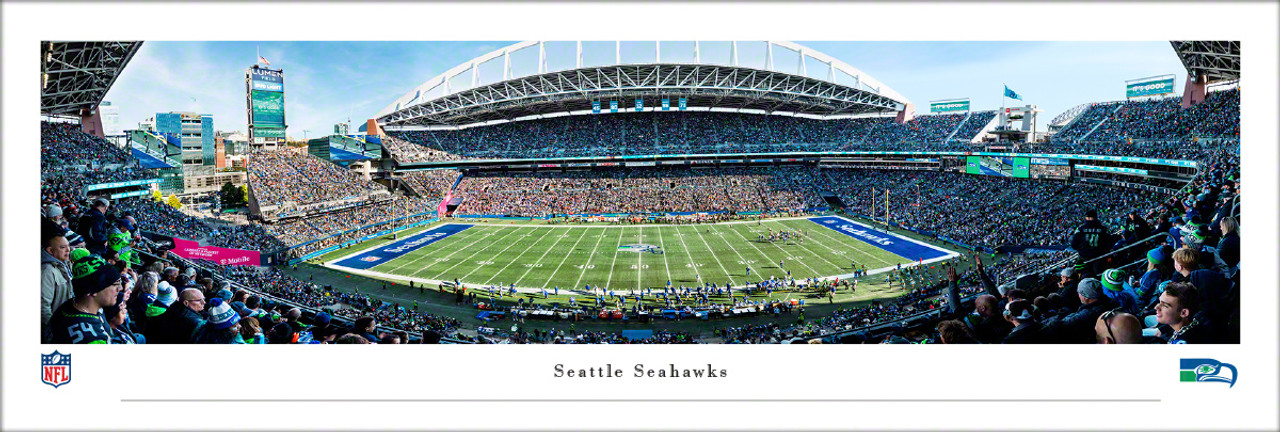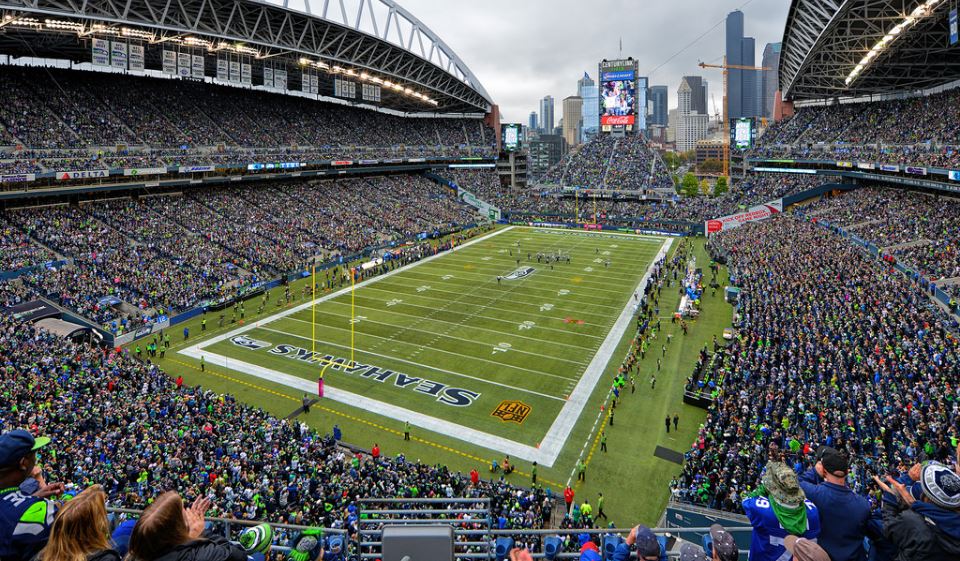
A trip to the Pacific Northwest is essential for any NFL fan seeking one of the league’s most electrifying game-day environments. At Lumen Field, home of the Seattle Seahawks, crowd noise is not just part of the experience, it defines it. While many stadiums boast loud atmospheres, few compare to the intensity generated here when the opposing offense takes the field. Seahawks fans, famously known as the “12th Man,” create a relentless wall of sound that consistently gives their team a competitive edge.
From the franchise’s inception in 1976 through 1999, the Seahawks played at the Kingdome, a domed, multipurpose facility they shared with the Seattle Mariners (MLB). By the mid-1990s, shifting trends in professional sports prompted the Mariners to pursue a baseball-specific venue, opening the door for potential changes to the Kingdome. Although a $120 million renovation plan was proposed in 1994 to convert the stadium into a football-only facility, it ultimately never materialized.
Amid uncertainty, then-owner Ken Behring explored relocating the franchise to Los Angeles in 1996 following the departure of the Los Angeles Rams. The NFL blocked the move, and in 1997, Paul Allen purchased the team, securing its future in Seattle. Allen championed the construction of a new stadium on the Kingdome site, and in June 1997, voters approved funding for two new venues. The Mariners moved into Safeco Field (now known as T-Mobile Park) in 1999, and the Kingdome was demolished in March 2000. During construction of the new football stadium, the Seahawks temporarily played at Husky Stadium.
Originally opened in 2002 as Seahawks Stadium, the venue has undergone several name changes due to corporate sponsorships, becoming Qwest Field in 2004, CenturyLink Field in 2011, and ultimately Lumen Field in 2020 following a corporate rebrand.
| MEMORABLE MOMENTS IN SEAHAWKS HISTORY |
|
The Seahawks debuted their new state-of-the-art home on September 15, 2002. Designed in a horseshoe configuration, Lumen Field seats approximately 68,000 fans across three tiers. Its open north end offers sweeping views of downtown Seattle, while a 13-story structure known as the “Hawk’s Nest” features a prominent scoreboard and additional seating. The stadium was also among the first in the NFL to incorporate field-level luxury suites directly behind the end zone, creating an immersive viewing experience.
Architecturally, Lumen Field is defined by its sweeping roofline and distinctive tri-chord trusses that rise 260 feet above the playing surface. The roof covers roughly 70 percent of the seating bowl, shielding fans from the elements while reflecting and amplifying crowd noise back toward the field, one of the key factors behind the stadium’s reputation as one of the loudest in professional sports. The exterior blends seamlessly with surrounding structures through its use of red brick, colored concrete, and exposed steel.
In 2015, the Seahawks introduced the first major expansion since the stadium’s opening, adding approximately 1,000 seats in the south end zone. This addition includes enhanced social spaces, food and beverage options, and improved viewing areas, along with the 12 Flag Pavilion—an elevated platform dedicated to the ceremonial raising of the team’s iconic “12th Man” flag. The stadium’s capacity now approaches 70,000.
Beyond its architectural and atmospheric appeal, Lumen Field offers some of the most compelling sightlines in the NFL, combining on-field action with striking views of the Seattle skyline. It has also been the stage for championship success, most notably when the Seahawks captured their first title in Super Bowl XLVIII, delivering the first major professional sports championship to the city of Seattle.
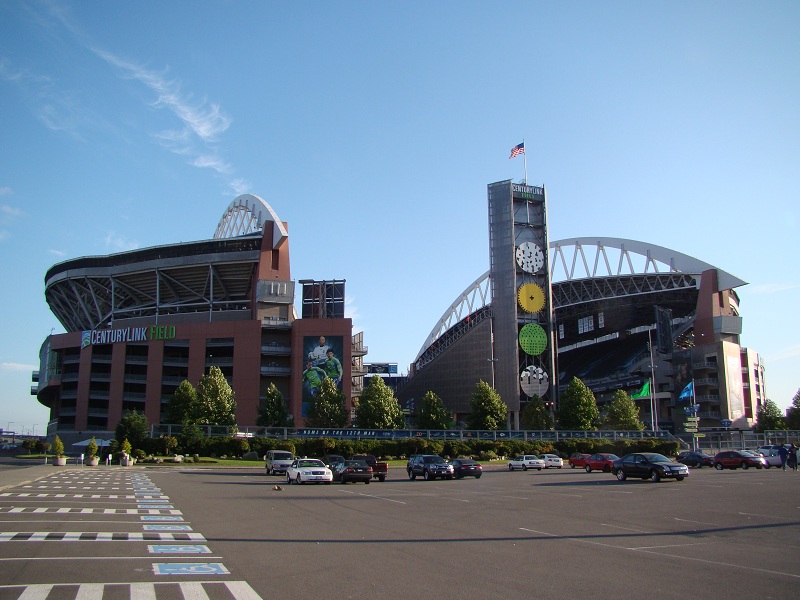
Outside Lumen Field, home of the Seattle Seahawks